
Skin Lesion Removal and Minor Procedures
Common Skin Lesions
Skin lesions are extremely common and range from harmless cosmetic concerns to potentially serious conditions. At NeoHealth, Dr Lakay performs a variety of minor surgical procedures for safe removal in a comfortable in-office setting.
Types of Skin Lesions
- Moles (naevi), usually benign pigmented spots
- Warts, caused by the human papillomavirus
- Sebaceous cysts, firm lumps beneath the skin filled with keratin
- Skin tags, small benign growths in skin folds
- Lipomas, soft fatty lumps under the skin
The ABCDE Rule for Monitoring Moles
Any lesion that changes should be evaluated promptly. Use the ABCDE rule:
- A for Asymmetry
- B for Border irregularity
- C for Colour variation
- D for Diameter greater than 6 mm
- E for Evolution or change over time
If any of these features are present, seek medical assessment without delay. These can be signs of melanoma.
Removal Procedures
Options depend on the lesion type and location:
- Excision, cutting out the lesion under local anaesthetic
- Shave removal, for raised lesions
- Cryotherapy, freezing warts and small superficial lesions
- Incision and drainage, for certain cysts
All procedures are performed under sterile conditions with local anaesthesia, and most patients return to normal activities immediately.
Aftercare
- Keep the wound clean and dry
- Apply the prescribed ointment
- Avoid sun exposure on the treated area
- Attend your follow-up appointment
- Excised lesions are sent for histological examination to confirm diagnosis
Book a skin assessment at NeoHealth as part of our minor procedures service if you have any lesion causing concern.
Frequently Asked Questions
Which skin lesions should be checked by a doctor?
Any new lesion, a mole that has changed in size, colour, shape or bled, any non-healing sore, or any lesion that itches, crusts, or looks different from your others.
What is the ABCDE rule for moles?
Asymmetry, Border irregularity, Colour variation, Diameter larger than 6mm, and Evolving change. Any ABCDE feature warrants a GP review.
Can moles, warts and cysts be removed at a GP practice?
Yes. Many skin lesions can be safely removed in-rooms under local anaesthetic, including moles, warts, sebaceous cysts, lipomas, and skin tags.
Will the removed lesion be sent for analysis?
Any lesion with features suggestive of skin cancer, or any mole that has changed, is sent to pathology for histology. Straightforward benign lesions like skin tags usually do not need analysis.
What is the aftercare for a minor skin procedure?
Keep the wound dry for 24 to 48 hours, follow the dressing instructions given, and watch for signs of infection including increasing redness, swelling, warmth, or discharge. Suture removal is usually at 7 to 14 days depending on site.
About the Author
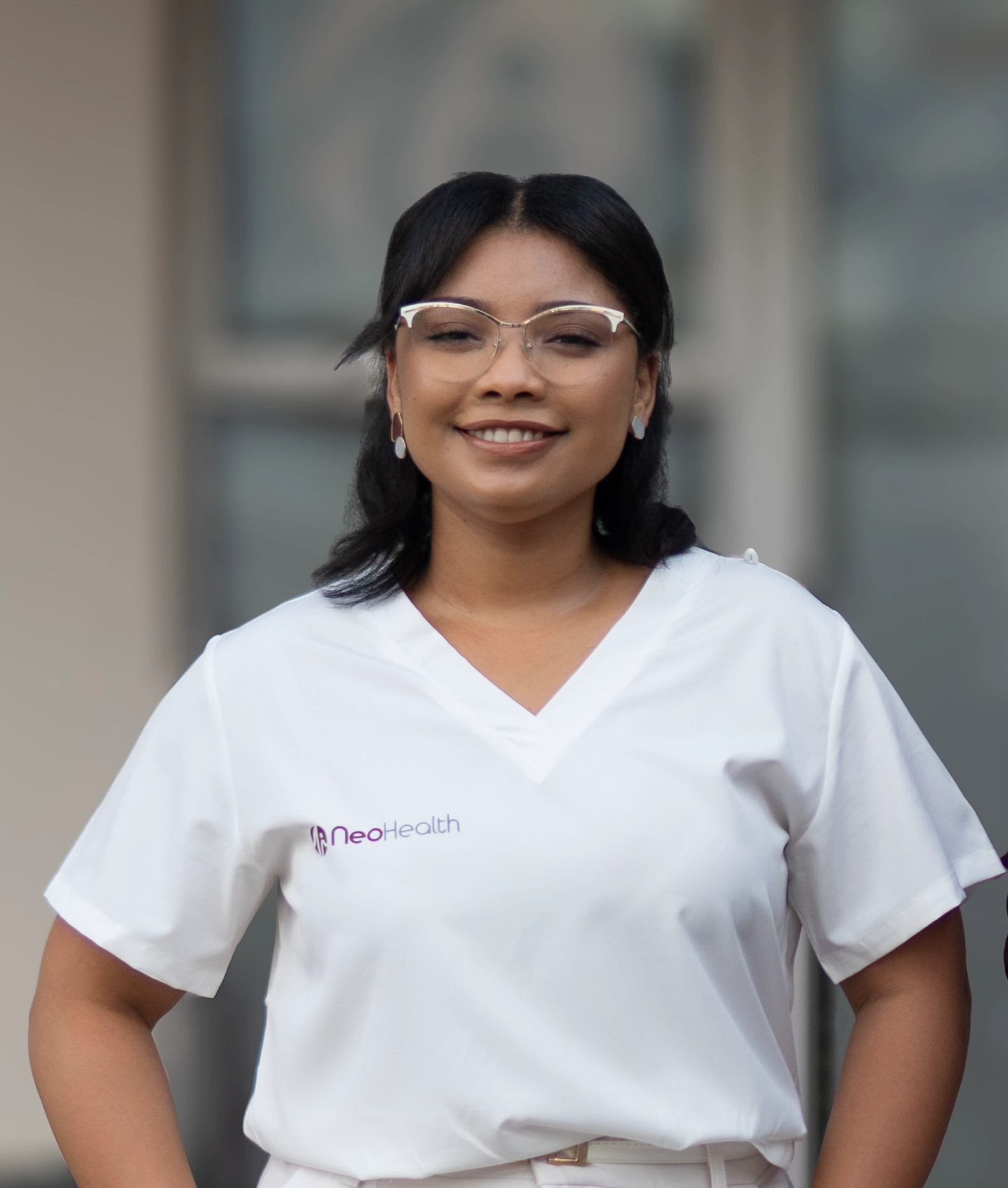
Dr Claudia Lakay
Dispensing General Practitioner & Co-founder
Stellenbosch graduate, trained in the rural Eastern Cape before practising at prominent general practices in East London. One of the few female GPs in George offering comprehensive women's health, inc...
MBChB (Stellenbosch University)
Medical disclaimer
This article provides general health information for educational purposes. It is not a substitute for personalised medical advice, diagnosis, or treatment from a qualified healthcare professional. Information reflects current South African clinical practice and referenced guidelines at time of writing, but clinical guidelines evolve. Do not start, stop, or change any medication or treatment based on this article alone.
Reviewed in accordance with HPCSA ethical guidelines on health information publishing and NeoHealth's editorial policy.
For medical emergencies: call 10177 or go to your nearest emergency centre. For personal assessment, book a consultation at NeoHealth.